Stargazing seems simple—just look up—but seasoned observers know there's a craft to truly seeing the cosmos. From battling light pollution to training your eyes for night vision, these overlooked truths can transform your experience under the stars. Dive into the questions below to uncover expert insights that make all the difference.
- Why does dark adaptation take so long and how can I speed it up?
- How does averted vision help me see faint objects?
- Why should I avoid white light and use red light instead?
- What role does the Moon play in ruining or improving my stargazing?
- Why are cold, clear nights better than warm ones for observing?
- How do I find truly dark skies without driving for hours?
- When is the best time to see the Milky Way with the naked eye?
Why does dark adaptation take so long and how can I speed it up?
Your eyes need about 20 to 30 minutes to fully adapt to darkness, but even a single flash of white light resets that clock. The process involves rhodopsin, a light-sensitive pigment in the rods of your retina, which takes time to regenerate. To speed things up, avoid any bright lights for at least 20 minutes before you start. If you must check a chart or phone, use a red light (wavelengths above 600 nm) because it minimally affects rod sensitivity. Wear red-filtered glasses if you step indoors briefly. Also, close one eye when using a headlamp to preserve adaptation in the other. Patience pays off: full dark adaptation can reveal stars up to 4 magnitudes fainter than with unaided daylight vision.
How does averted vision help me see faint objects?
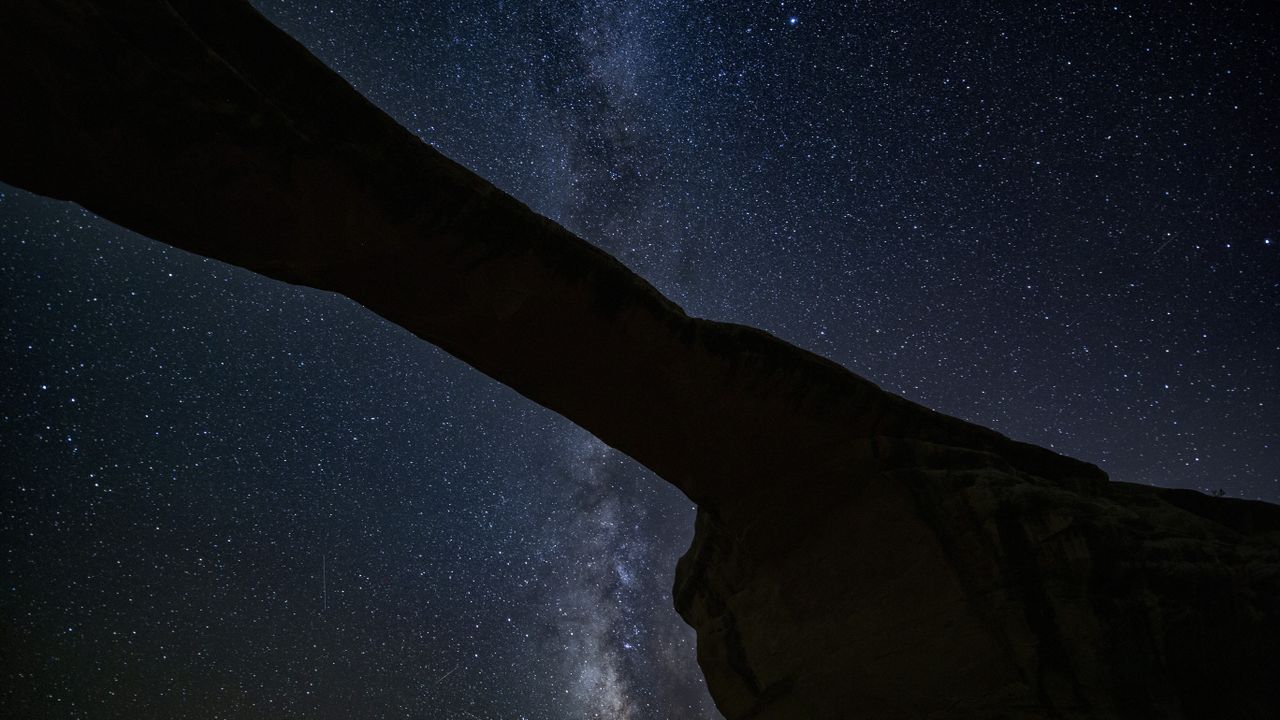
The center of your retina (the fovea) is packed with cones for color and detail but is poor in low light. The area just off-center contains more rods, which are sensitive to dim light. Averted vision means looking slightly to the side of a faint object—about 8 to 16 degrees off—so its light falls on rod-rich areas. This technique can make dim stars, galaxies, and nebulae suddenly pop into view. Try it by focusing on a spot near the object, then gently scanning your eyes. Practice helps; many beginners miss this simple trick. For best results, relax your gaze and avoid staring directly. Combined with dark adaptation, averted vision can double the number of stars you see.
Why should I avoid white light and use red light instead?
White light contains the full spectrum, including blue wavelengths that are very efficient at stimulating the rods in your eyes, ruining night vision. Even a brief exposure can set you back 20 minutes of adaptation. Red light, on the other hand, has long wavelengths that rods are relatively insensitive to. Your pupils stay dilated, and you keep your low-light sensitivity. Use red LED headlamps or cover your flashlight with red cellophane. Dim the red light as much as possible. This is why astronomers and pilots swear by red lights. It also helps preserve the natural darkness around you, so that you and other observers can continue seeing faint details.
What role does the Moon play in ruining or improving my stargazing?
The Moon is both a curse and a blessing. Its glare washes out the sky, making faint stars and the Milky Way invisible—especially near full Moon. But a crescent Moon or a Moon that sets early gives you dark skies for deep-sky observing. Conversely, the Moon itself is a magnificent target: craters, maria, and mountains are best observed when the terminator (the line between light and dark) is sharp, usually a few days after first quarter. Binoculars or a small telescope reveal stunning details. Plan your sessions around lunar phases: for deep-sky, choose the new Moon week; for lunar study, go for first quarter. The Moon also provides light for safely setting up equipment without using white lights.
Why are cold, clear nights better than warm ones for observing?
Warm air holds more moisture and tends to be turbulent, creating poor seeing—the term for atmospheric steadiness. Cold air is denser and usually drier, with less scintillation (twinkling) and haze. Temperature inversions on warm nights can blur your view of planets and stars. Additionally, cold nights often accompany high-pressure systems that bring cloudless skies and stable air. Your telescope also adapts better: thermal equilibrium is reached faster in cold conditions, reducing internal air currents. Dress warmly in layers—the cold is worth it for crisp views of Jupiter's bands or Saturn's rings. Even a 10-degree temperature drop can noticeably improve image sharpness.
How do I find truly dark skies without driving for hours?
First, check a light pollution map like Blue Marble Navigator or the Bortle scale (a rating from 1 to 9). Many areas within an hour's drive of a city still have reasonable darkness if you choose a park or rural road away from streetlights. Look for locations that are shielded by hills or trees from city glow. Even your backyard can be improved by turning off all outdoor lights and waiting 20 minutes. Use a black fabric over your head to block nearby lights. Best of all: join a local astronomy club—they know the secret dark spots. Sometimes, a small rise away from roads makes a huge difference. Aim for a Bortle class 4 or better for the Milky Way to be obvious.
When is the best time to see the Milky Way with the naked eye?
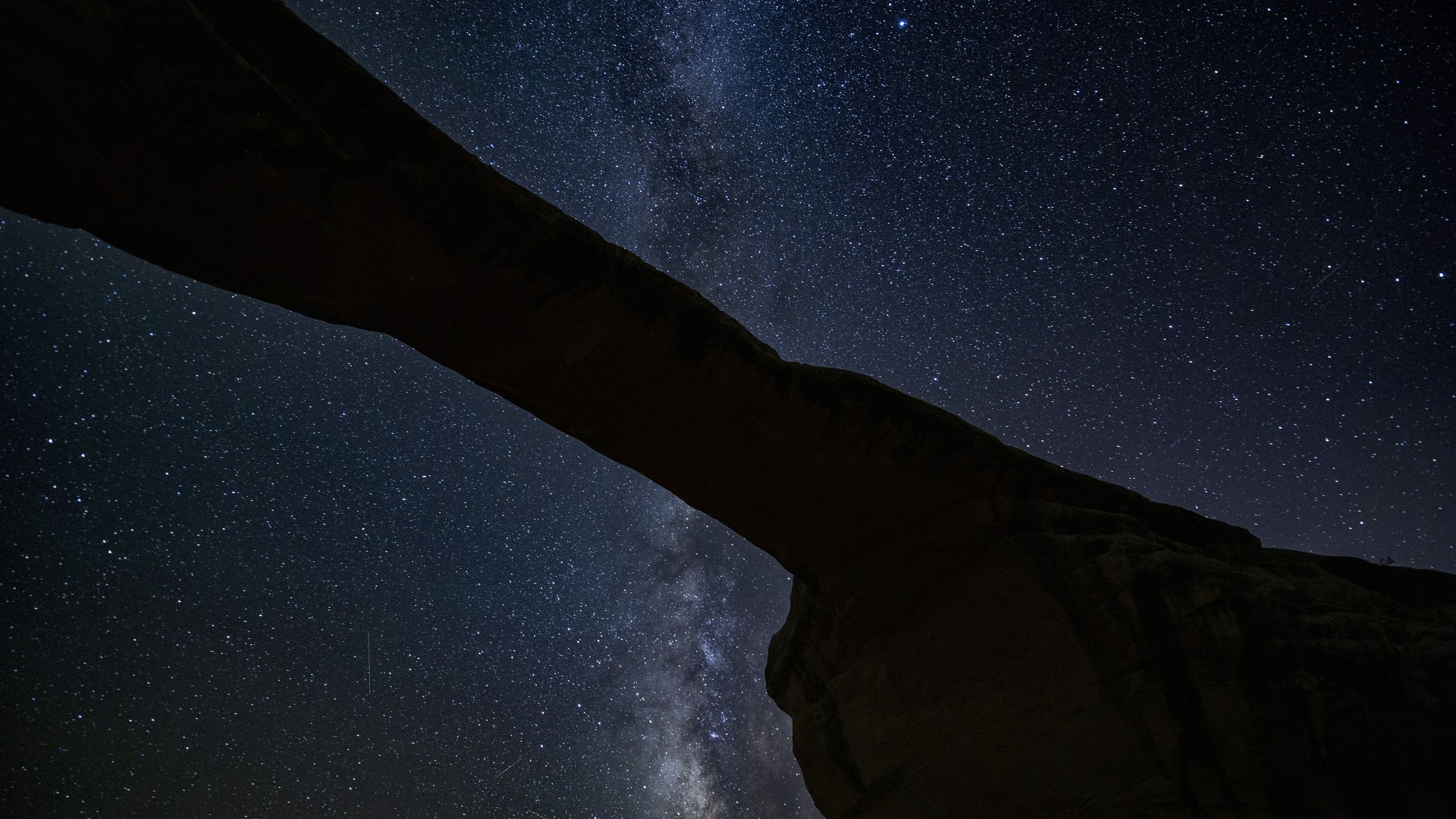
The Milky Way’s core (the bright band across the sky) is best seen from April through September in the Northern Hemisphere, peaking around July and August. The exact time varies: it rises in the southeast or south around midnight in spring, and by summer it's well placed by 10 p.m. In the Southern Hemisphere, April to October are prime, with the galactic center overhead in July. Key factors: a new Moon (or Moon below the horizon), clear skies, and very low light pollution. The Milky Way appears as a glowing river of stars and dark patches. Use averted vision to see more detail. Apps like Stellarium can pinpoint when the center transits for your location. Plan an hour on either side of that transit for the best view.